Basic training in psychotherapy for children and adolescents (IESTCA)
Do you want to become a psychotherapist and do you enjoy working with children and adolescents?
Then the IESTCA basic training program is for you!
NEW!! We have started registrations for a NEW TRAINING GROUP!! The new group starts on October 3 – 4, 2026.
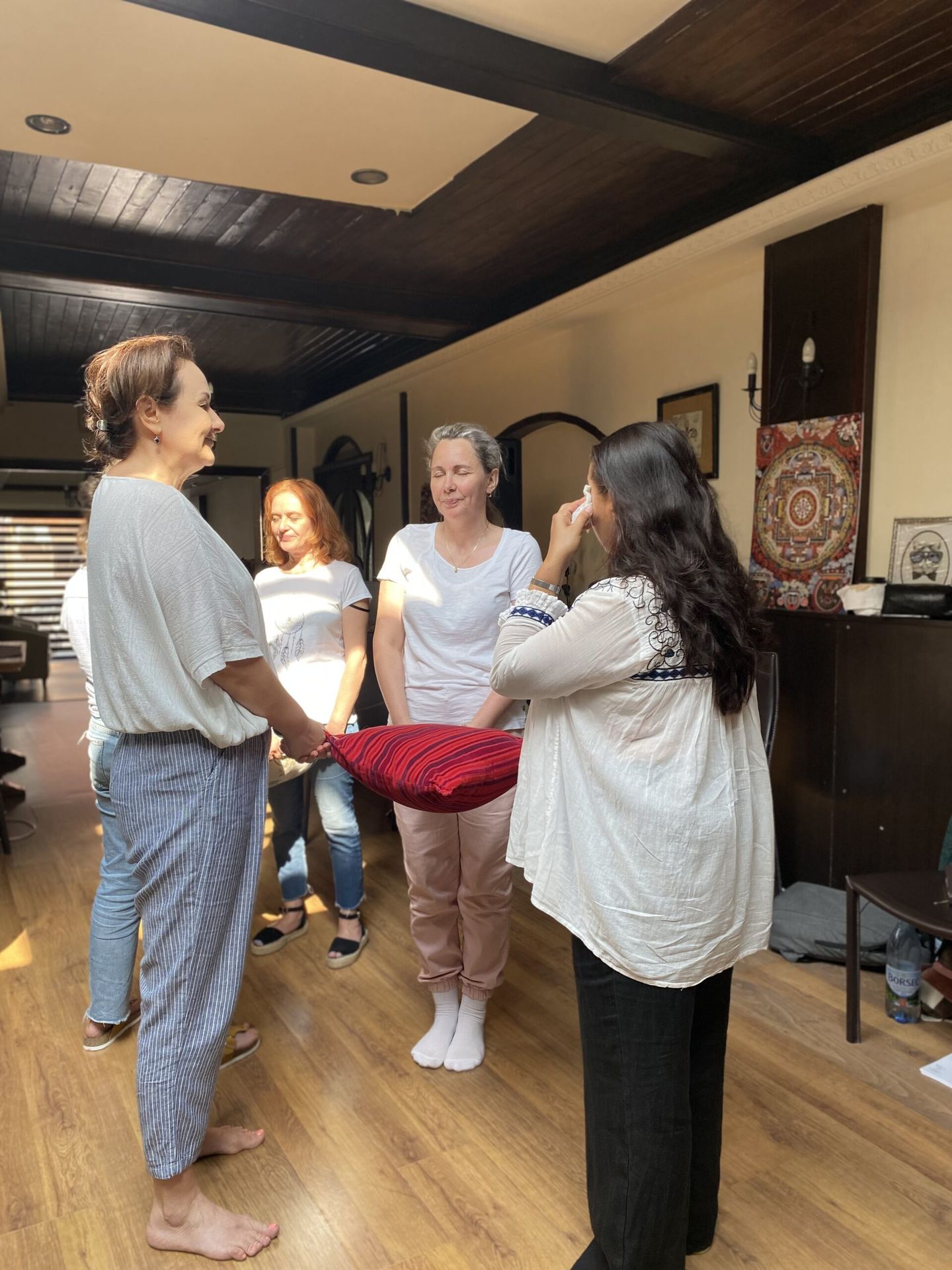
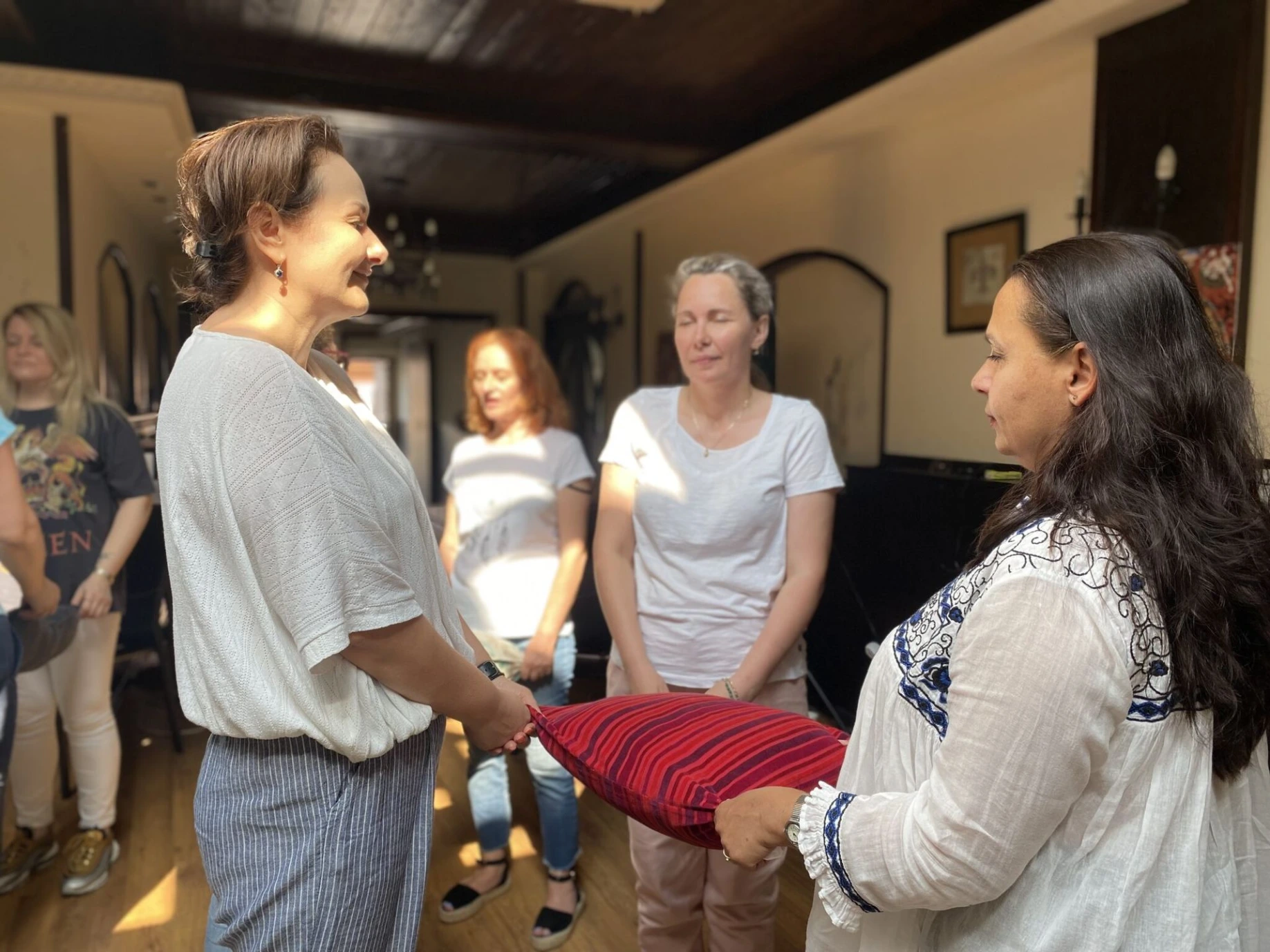
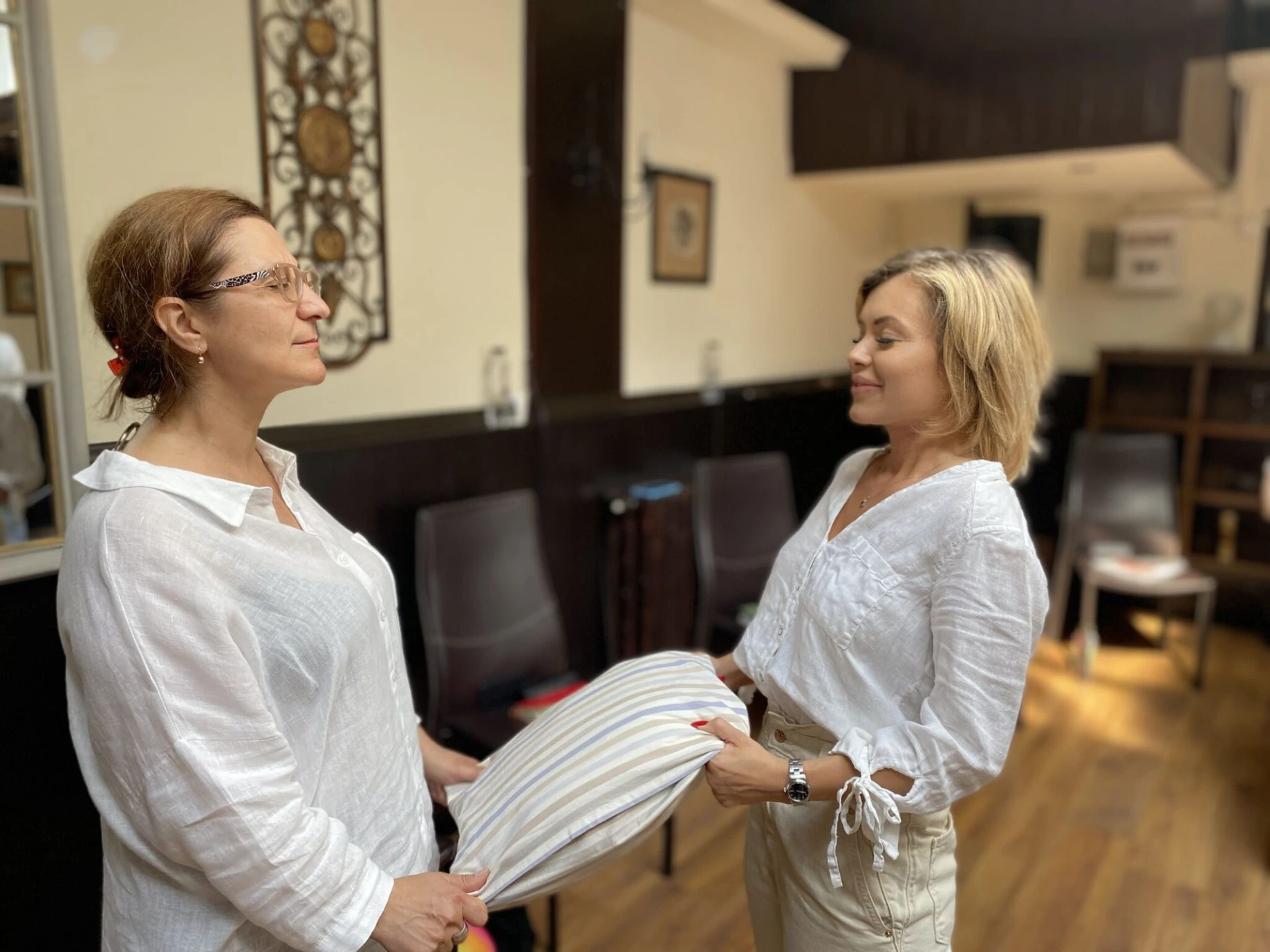
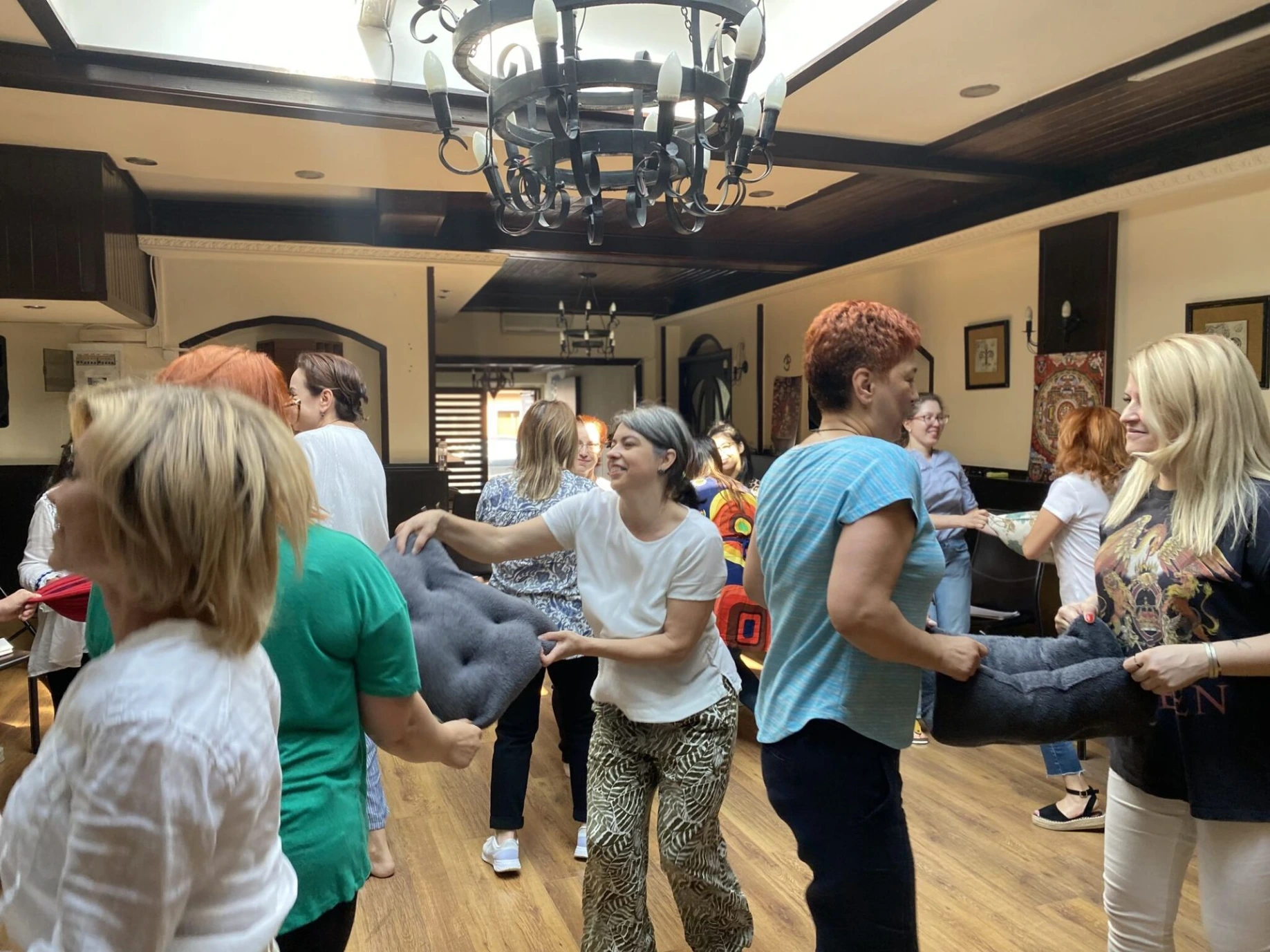
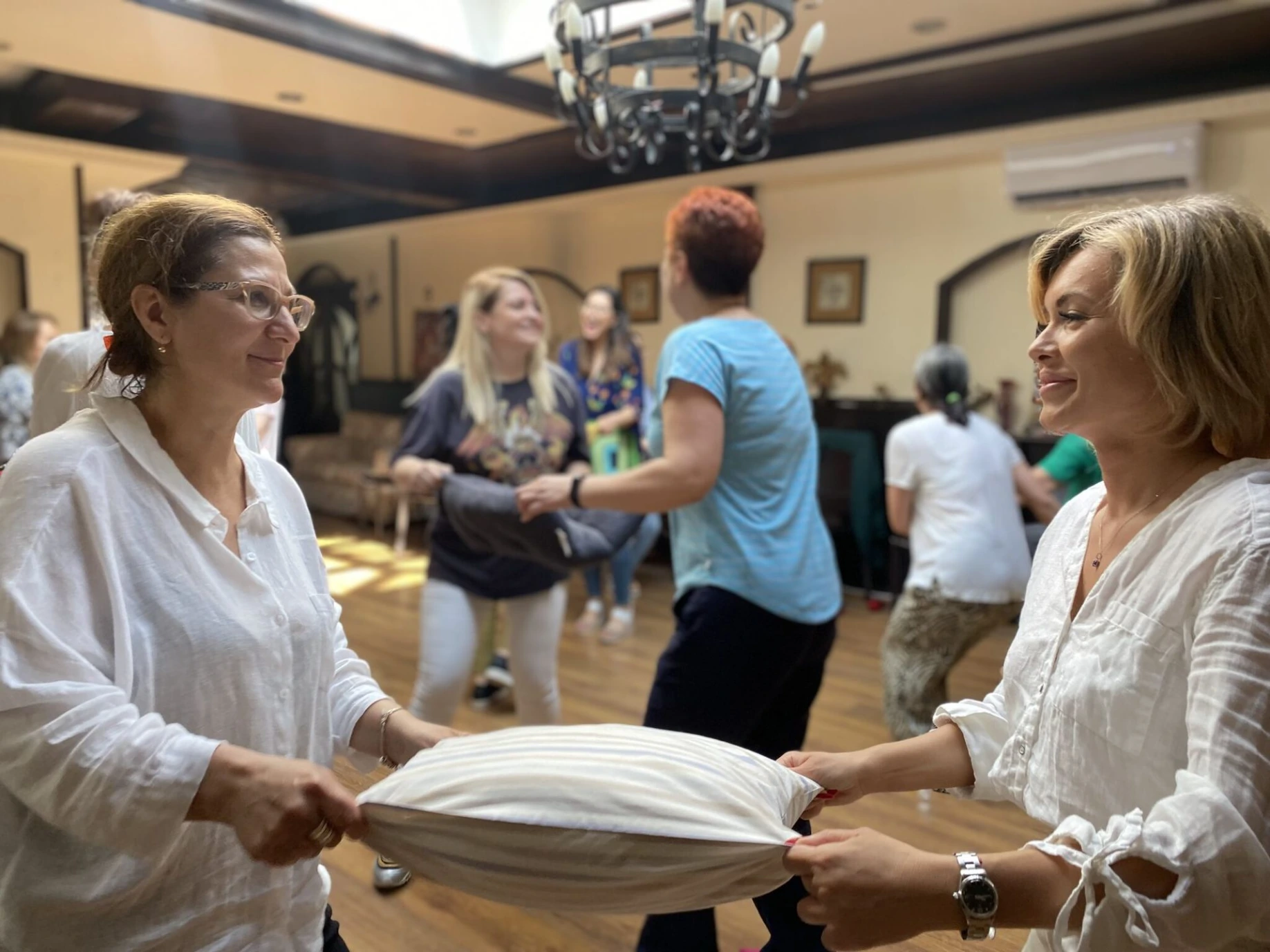
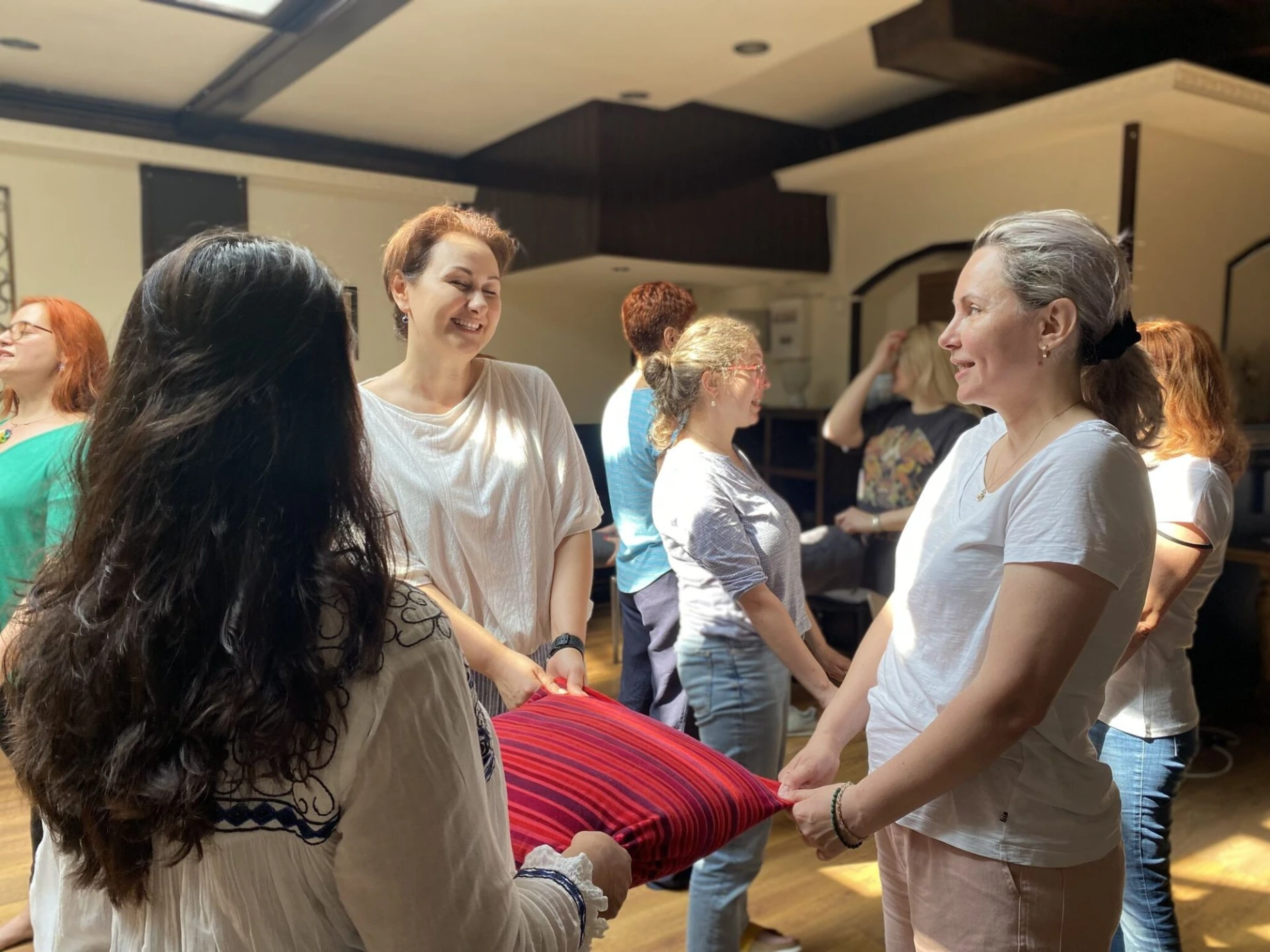
The training program IESTCA is the ideal framework in which you can acquire the necessary skills to become a successful psychotherapist, specialized in working with youth. The training gives you access to EXPERIENTIALLY APPLIED PRACTICAL TECHNIQUES, which you can use from the very first module.
COURSE INFORMATION
- Duration: 2 years
- The program includes: 9 online modules/year and 1 live camp/year
- Module price: 138 euros/module from 157 euros/module
- Camp price: 575 euros/ 6-day camp
Total training price: 3130 euros (over 2 years)
Modules take place on weekends: Saturday and Sunday.
Enroll in the basic training program in Child and Adolescent Psychotherapy!
Graduates of the training program receive a License to Practice from the College of Psychologists in Romania and a European Certificate of psychotherapist in child and adolescent therapy, issued by the European Interdisciplinary Association for Therapy with Child and Young People (EIATCYP)
BENEFITS OF THE HYBRID BASIC TRAINING PROGRAM IESTCA
- Professional certification: Upon graduation, students receive a License to Practice from the College of Psychologists in Romania, as well as a European Certificate of psychotherapist in child and adolescent therapy, issued by the European Interdisciplinary Association for Therapy with Child and Young People (EIATCYP). These open many opportunities for practice and professional recognition.
- Basic training in child and adolescent psychotherapy: Through this program, students gain an integrative perspective on psychotherapy for children and adolescents; they acquire knowledge and skills in working with this age group, while also understanding the specific needs, issues, and intervention methods in psychotherapy.
THEMES OF THE MODULES IN THE FRAMEWORK OF BASIC TRAINING
Module 1. The historical perspective and the Romanian cultural context in education and stages of human development
The content of the curriculum
- The metamorphoses of the content of the educational process in the Romanian space. The socio-historical perspective.
- Restructuring of contemporary family.
- Punitive education and the communist belief system.
- Education in Romania on the Traditional-Modern, Rural-Urban axes
- Structural theory, the dynamics of roles and power in Romanian families.
- The influence of Functional Theory in child psychotherapy,
- The way the cultural dimension reflects in physical, sexual, and emotional abuse of the child.
- The punitive educational model vs. the positive educational model of the present.
- Ethnic interferences in a common geographical, social, cultural space.
- The ethnic dimension of abuse and oppressive practices.
- The phenomenon of abandonment and institutionalized children.
- The implications of system change and recession:
- labor migration
- the emergence of a new social category: children left at home by parents who went to work abroad (lack of parental and relational models)
Module 2. Overview of the relational development model.
The content of the curriculum
- Attachment, separation, individualization
- Emotional attunement - Empathy
- Emotional stabilization
- Viable affects
- Neuroscience
- Unfulfilled Gestalt cycle
- Creative adjustment
- Introjection and osmosis (I)
- Shame – a hidden emotion
- Development of the intra-psychic structure
- Life script and interpersonal relationships
- Defense mechanisms and maintaining the status quo
- Repetitive impulse: Repetitive compulsion, Fixed Gestalt cycles
- Self-actualization and the need to fulfill the Gestalt cycle – propelling the moment of development
- The concept of "Good enough parenting"
- Empathic attunement and the therapist's presence
- Interdisciplinarity
- Completion of therapy
Module 3. Shame and Identity
Curriculum Overview
- Connections between affect and shame
- Shame and identity
- Shame and abuse of power
- Introjection and osmosis II
- Self-image
- Body image
- Defense against shame
- The Phenomenology of Shame
- Shame and Groups
- Shame and Ethnicity
- Shame and Education
- Shame and Addictions
- Shame and the Therapeutic Relationship
Module 4. From psychiatric diagnosis to relational integrative therapy.
Curriculum Overview
- Comparative diagnosis between Cognitive Behavioral Therapy and
- Integrative Relational Therapy
- Elements of psychopathology and DSM IV and V
Module 5. The integrative perspective based on field theory and life scenarios in integrative psychotherapy.
Curriculum Overview
- Life and transgenerational scenarios
- Defense mechanisms and interruption of Gestalt cycles
- Evaluation of contact functions in Gestalt
Module 6. Integrative applications in therapy with children I
The content of the curriculum
- Stages of development
- Emotions as a reflection of the mind in the body
- The transactional object in therapy
Module 7. Integrative applications in therapy with children II
Curriculum content
- Role play
- Art therapy
- Drama therapy
- Doll therapy (play therapy)
Module 8. Techniques and methods of intervention addressing unconscious processes I
Curriculum Overview
- Typology of transfer and countertransfer – proactive, reactive, laudatory, concordant
- Relational and developmental needs
- Co-creating the therapeutic relationship and the therapeutic alliance
- The psychology of the self
- The theory of intersubjectivity
- From therapeutic neutrality to self-disclosure (Yalom)
Module 9. Techniques and methods of intervention addressing unconscious processes II
Curriculum content
- Dream and nightmare interpretation in therapy with children
- Principles of Ericksonian hypnotherapy
- Projective identification
- The parallel process
- Field theory and relational perspective.
Module 10. Child protection - Ethics in integrative therapy and elements of professional practice.
The content of the curriculum
- Ethics, law, and morality
- Child protection legislation in Romania
- The vision of the Institute and the presentation of the Code of Ethics
- The touch and language used in therapy with children in the Romanian cultural context
- Ethical issues in organizations and institutions for child protection
- Ethical decisions in therapeutic practice in Romania
- Ethical principles, child safety, confidentiality, and the competencies of the therapist
- The values promoted by the European Institute of Studies for the therapy of children and adolescents (IESTCA)
- The ethical code of the Institute
- The ethical code of the College of Social Workers
- The ethical code of COPSI
- The ethical code of the European Association for Children
- The humanistic values of psychotherapy with children
- Ethical principles
- Child safety in the therapeutic process
- Confidentiality
- The competencies of the therapist working with children
Module 11. Polarities between Performance and Failure I
Curriculum Overview
- Assessing the impact of socioeconomic and cultural conditions on relational models within the Romanian family
- The place and role of the child within the family.
- Optimizing school performance
- Integrating children with disabilities into family and society.
- Elements of children's sexual orientation
Module 12. Polarities between Performance and Failure II
Curriculum content
- The specific needs of children and adolescents
- Empathy, Education, and Transgenerational Relationships.
- Gifted children Assessment, Care, and Education
- Reflections on the manifestations of dysfunctional behavior in schools and educational institutions (drugs, alcohol, aggression, violence)
- The educational and creative role of the therapist
- Interdisciplinary collaboration
Module 13. The relational perspective in the context of emotional needs and manifestations. From Suffering to Joy. I
Curriculum Overview
Integrative intervention methods and techniques for:
- The perception of loss, pain, and death in the Romanian cultural context
- The loss of a friend, family member, home, school, pet, etc.
- The loss of physical health
- The loss of trust
Module 14. The relational perspective in the context of emotional needs and manifestations. From Suffering to Joy. II
Curriculum content
- Psychotherapeutic intervention strategies for children and adolescents in the case of a divorce
- Techniques for enhancing well-being and joy
- Elements of reintegration and harmonization in therapy with children and adolescents
Module 15. The influence of scientific research in integrative therapy.
Curriculum content
- An overview of major historical philosophical paradigms
- Phenomenological research, heuristics, and ethnography
- Building a research design
- Data analysis and interpretation
- Elements of ethics in research
Module 16. Transcultural influences in the integrative approach.
Curriculum content
- the child/adolescent and the family
- the child/adolescent and the school
- the child/adolescent receiving social assistance
- the abused/trafficked child/adolescent
- abandon – adoption
- child and adolescent protection and medical-social structures
Module 17. Stress and trauma from an integrative perspective.
Curriculum content
- risk factors and reactive or adjustment disorders
- reactive pathology and adjustment disorder
- emotional and relational difficulties /mental pathologies of natural and/or social parents
- families in emotional divorce/institutional divorce, blended families, single-parent families, the natural-social blended family
Module 18. Psychosomatic disorders – the integrative perspective
Curriculum content
- infant psychopathology (wake-sleep cycle disorders, eating behavior disorders, etc.)
- toddler psychopathology (wake-sleep cycle disorders, eating behavior disorders, etc.)
- child psychopathology (wake-sleep cycle disorders, eating behavior disorders, etc.)
- adolescent psychopathology: the physiological and psychopathological bases of sexual differentiation; the psychological and sociological bases of the difference between sexes
- manifest and masked pathological behaviors of the child and adolescent: lying, stealing, running away, addictive behaviors
Module 19. Eating behavior disorders and their manifestation at different ages
Curriculum content
- early essential anorexia
- anorexia from the second childhood
- mental anorexia of adolescent girls - socio-cultural models
- obesity: the personality of the obese child/adolescent, the obese child/adolescent and their family, the obese child/adolescent and their body, the phantasmagoric life of the obese child/adolescent
- deviant eating behaviors: bulimic crises, mannerism and selective disgust, potomania, pica, coprophagia.
Module 20. Final assessment